Cite this as: Arrington, N.T., D'Acri, A., Baloukidis, D. and Tasaklaki, M. 2026 Always in the Field: Introducing the WebDig App, Internet Archaeology 71. https://doi.org/10.11141/ia.71.13
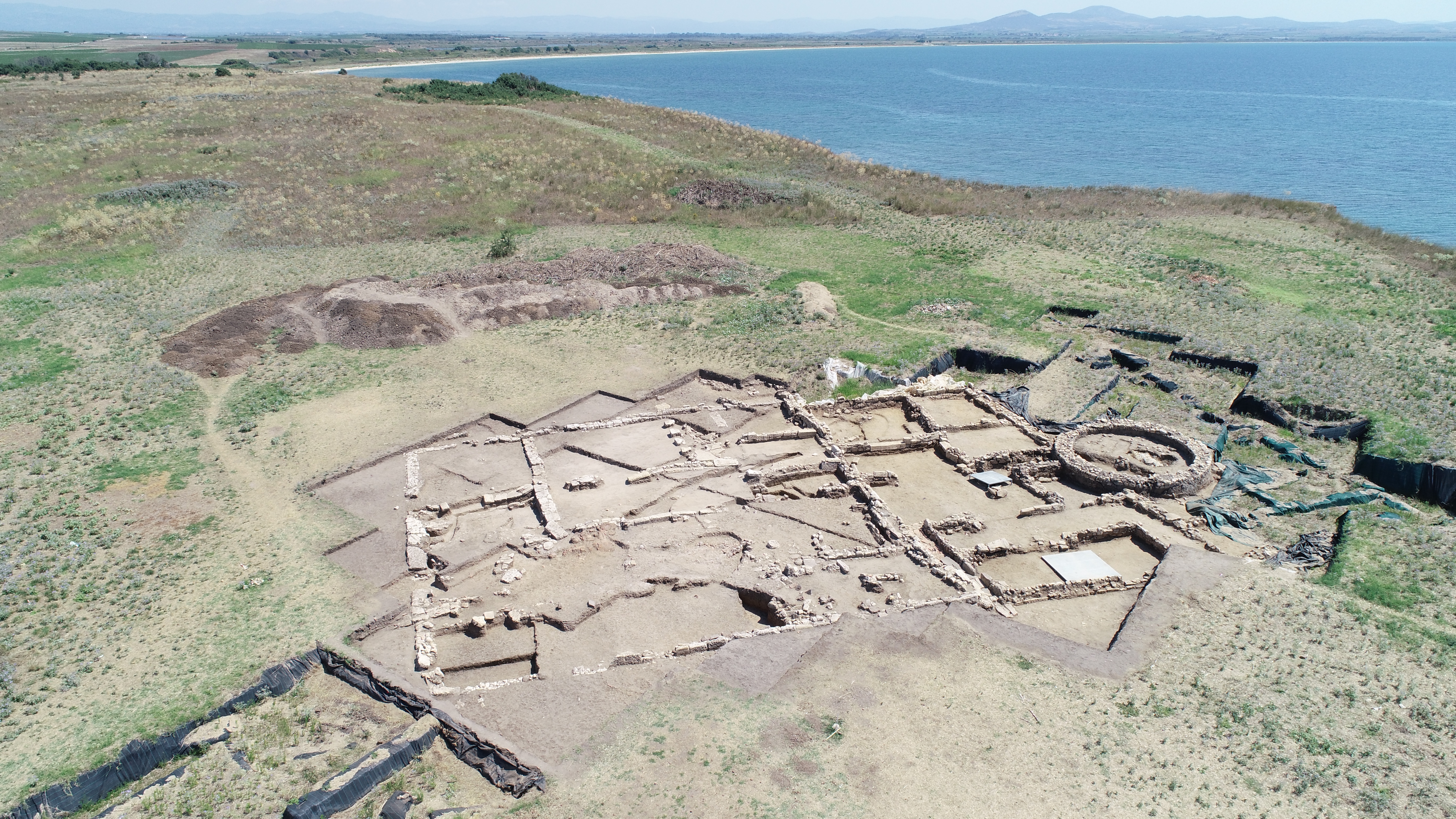
Amongst the digital tools that projects use to gather data in the field, an application created for use in the Athenian Agora excavations has gained traction in recent decades: iDig. It is used on multiple projects in Greece, and beyond, with positive results. This article describes some of the strengths of the program but also the limitations when it comes to post-season study and publication, which the authors encountered on the Molyvoti, Thrace, Archaeological Project. In response, we created an open-source, web-based application, WebDig, which we present here. WebDig mirrors the content and functionality of iDig in order to facilitate collaboration among specialists and to complement print publication.
Corresponding author: Nathan T. Arrington
[email protected]
Princeton University 
Mattia D’Acri
[email protected]
Princeton University
Dimitris Baloukidis
[email protected]
Marina Tasaklaki
[email protected]
Ephorate of Antiquities of Rhodope-Greece
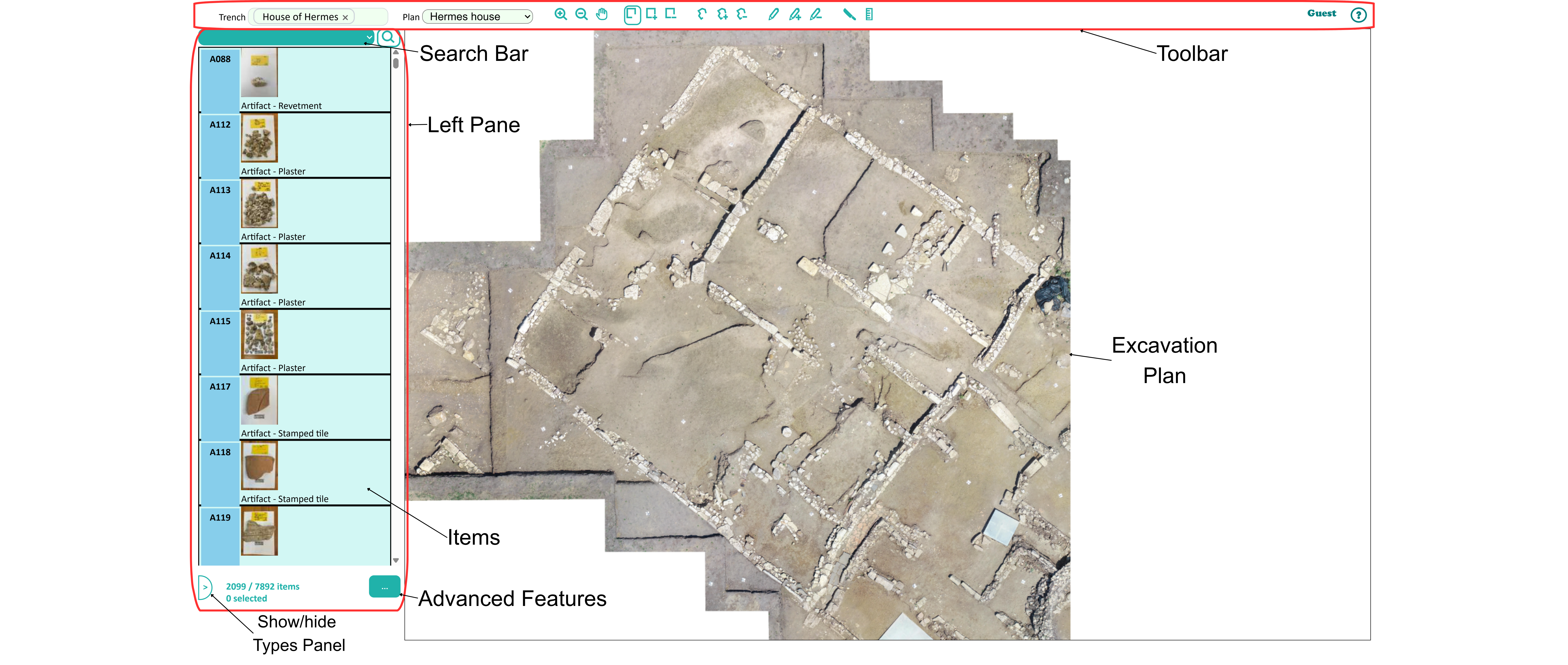
Figure 1: WebDig landing page with the main tools indicated. © Ephorate of Antiquities of Rhodope, Ministry of Culture of the Hellenic Republic
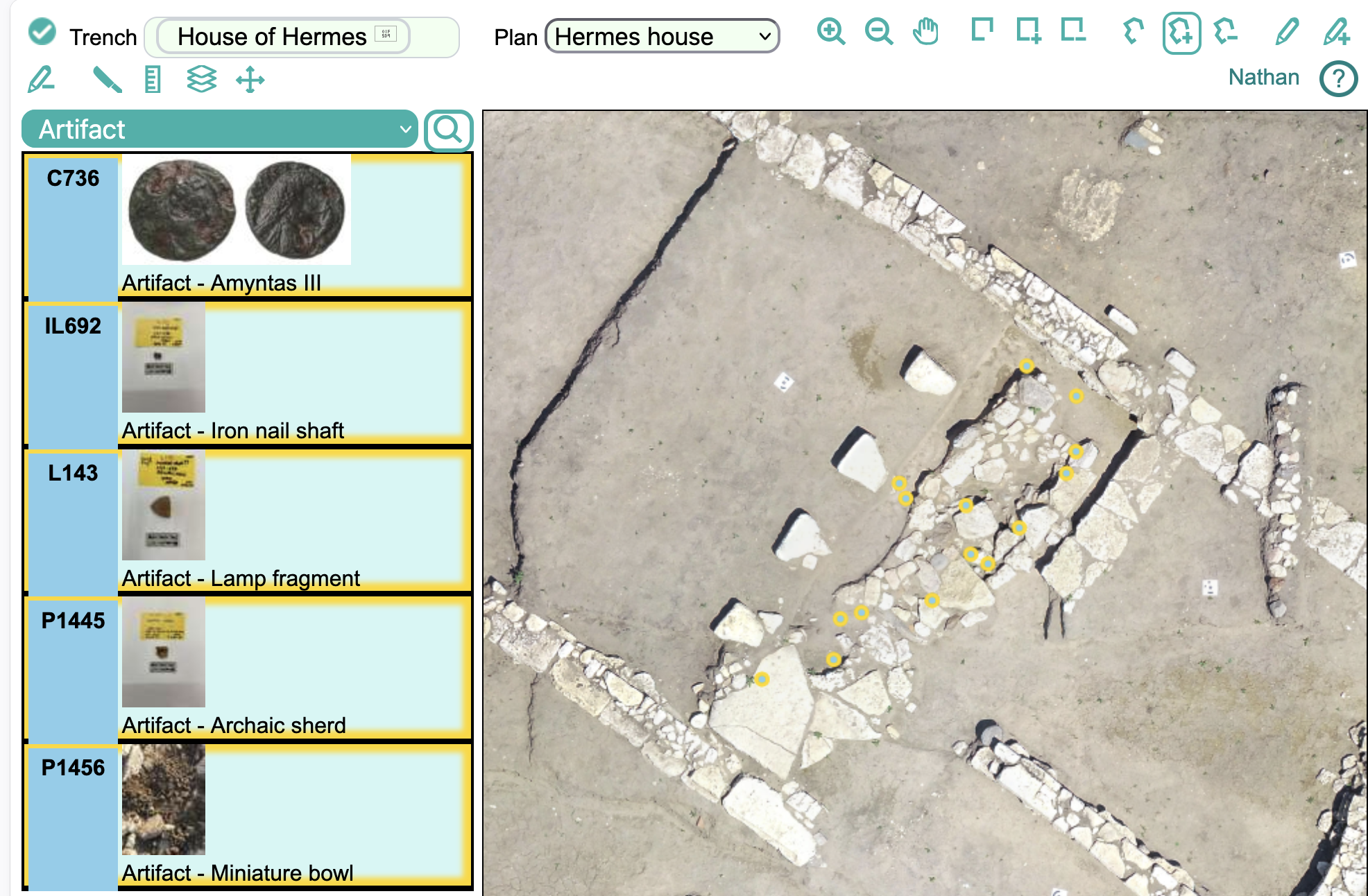
Figure 2: Example of a user zooming into a space and selecting all the artifacts. © Ephorate of Antiquities of Rhodope, Ministry of Culture of the Hellenic Republic
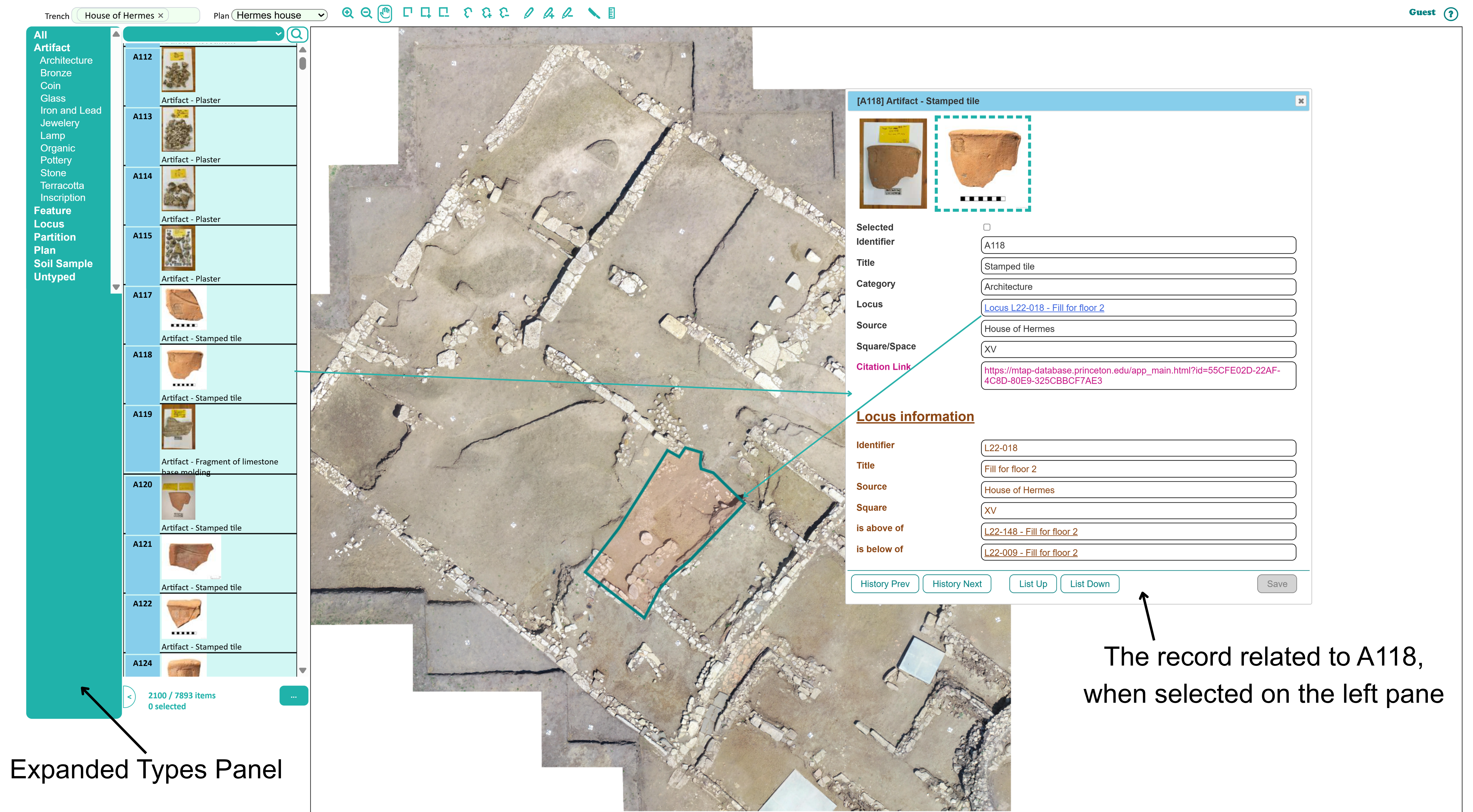
Figure 3: Example of a selected Item on WebDig as a Guest user, showing details about the item and the locus where it was found. © Ephorate of Antiquities of Rhodope, Ministry of Culture of the Hellenic Republic
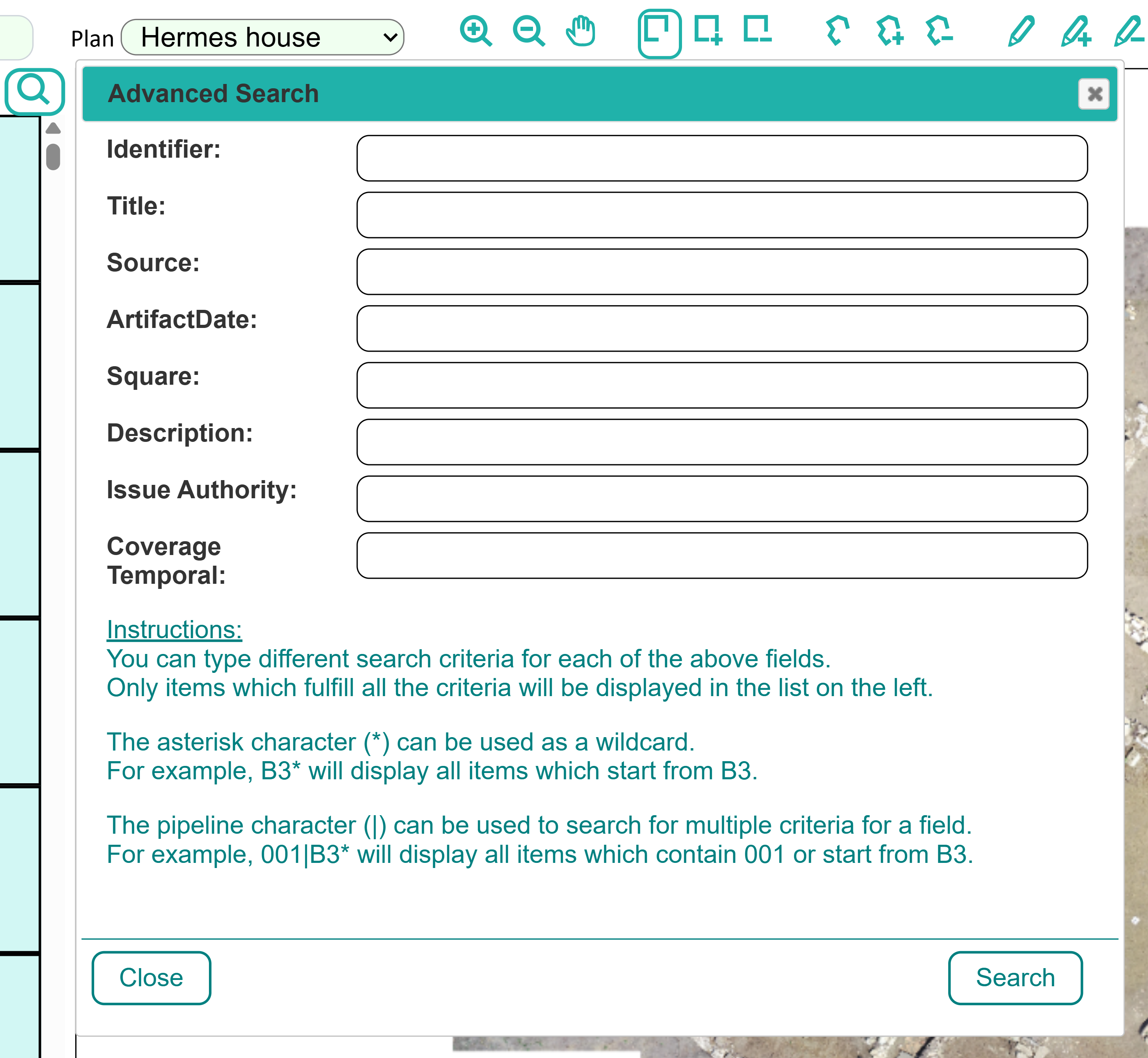
Figure 4: The Advanced Search tool. © Ephorate of Antiquities of Rhodope, Ministry of Culture of the Hellenic Republic
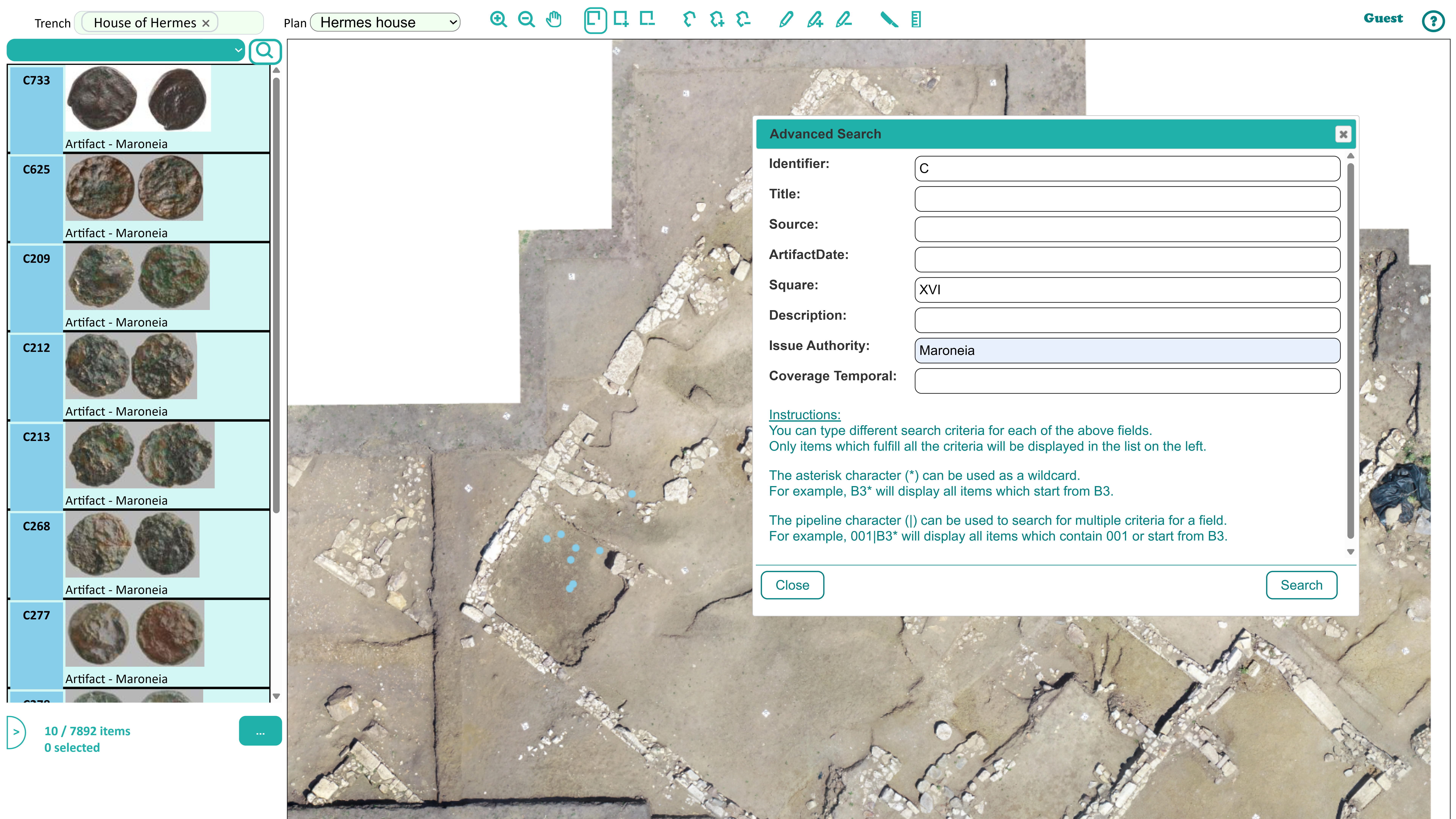
Figure 5: Example of an advanced search on WebDig. The user has searched for all coins issued by Maroneia in Space XVI © Ephorate of Antiquities of Rhodope, Ministry of Culture of the Hellenic Republic
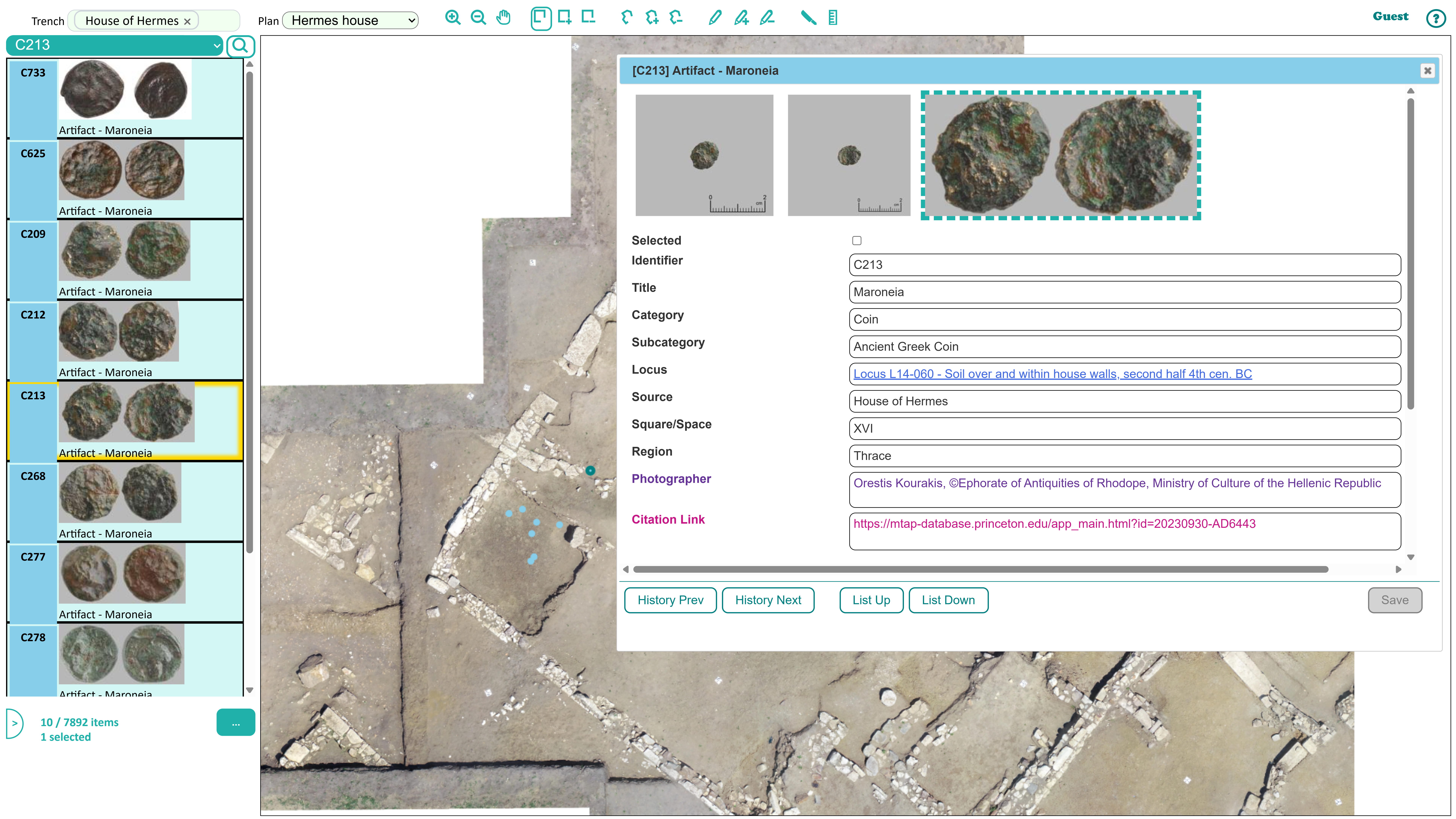
Figure 6: Selection of an Item (C213) after advanced search as a Guest user. © Ephorate of Antiquities of Rhodope, Ministry of Culture of the Hellenic Republic
Figure 7: Selection of an Item (C213) after advanced search as a Registered user. © Ephorate of Antiquities of Rhodope, Ministry of Culture of the Hellenic Republic
Arrington, N.T., Terzopoulou, D., Tasaklaki, M. and Tartaron, T.F. (eds) 2025 The Molyvoti, Thrace, Archaeological Project 1: Landscape, Architecture, and Material Culture, Princeton: Princeton University Press.
Caraher, W. 2016 'Slow Archaeology: Technology, Efficiency, and Archaeological Work' in E. W. Averett, J. M. Gordon, and D. B. Counts (eds) Mobilizing the Past for a Digital Future: The Potential of Digital Archaeology, Grand Forks, ND. 421–441.
Faniel, I., Austin, A., Whitcher Kansa, S., Kansa, E., Jacobs, J., and France, P. 2021 'Identifying Opportunities for Collective Curation During Archaeological Excavations', International Journal of Digital Curation 16(1). https://doi.org/10.2218/ijdc.v16i1.742
Garstki, K., Counts, D.B., Averett, E.W., Kansa, S.W., and Kansa, E.C. 2020 'A Square Peg in a Round Hole: Rethinking Archaeological Publication', Near Eastern Archaeology 83(4), 264–269. https://doi.org/10.1086/712391
Kersel, M. M. 2016 'Response: Living a Semi-Digital Kinda Life' in E. W. Averett, J. M. Gordon, and D. B. Counts (eds) Mobilizing the Past for a Digital Future: The Potential of Digital Archaeology, Grand Forks, ND. 475–492.
Moullou, D., R. Vital, S. Sylaiou, and L. Ragia. 2024 'Digital Tools for Data Acquisition and Heritage Management in Archaeology and Their Impact on Archaeological Practices', Heritage 7, 107–121.
Psarros, D., Stamatopoulos, M.I. and Anagnostooulos, C.N. 2022 'Information technology and archaeological excavations: a brief overview', Scientific Culture 8(2), 147–167. https://doi.org/10.5281/zenodo.6323149
Rabinowitz, A. 2016 'Response: Mobilizing (Ourselves) for a Critical Digital Archaeology' in E. W. Averett, J. M. Gordon, and D. B. Counts (eds) Mobilizing the Past for a Digital Future: The Potential of Digital Archaeology, Grand Forks, ND. 493–518.
Sobotkova, A., Ross, S.A., Hermankova, P., Lupack, S., Nassif-Haynes, C., Ballsun-Stanton, B. and Kasimi, P. 2021 'Deploying an offline, multi-user, mobile system for digital recording in the Perachora Peninsula, Greece', Journal of Field Archaeology 46, 571–594.
Tasaklaki, M. and Arrington, N.T. 2024 'Digital digging on the Molyvoti, Thrace, Archaeological Project: IDig and a new web application' in D. Boteva-Boyanova, D. and J. Tzvetkova (eds) Bulletin “Heritage BG” – Research Announcements, Sofia. 70–79.
Uildriks, M. 2016 'iDig – Recording archaeology: a review', Internet Archaeology 42. https://doi.org/10.11141/ia.42.13
Internet Archaeology is an open access journal based in the Department of Archaeology, University of York. Except where otherwise noted, content from this work may be used under the terms of the Creative Commons Attribution 3.0 (CC BY) Unported licence, which permits unrestricted use, distribution, and reproduction in any medium, provided that attribution to the author(s), the title of the work, the Internet Archaeology journal and the relevant URL/DOI are given.
Terms and Conditions | Legal Statements | Privacy Policy | Cookies Policy | Citing Internet Archaeology
Internet Archaeology content is preserved for the long term with the Archaeology Data Service (ROR). Help sustain and support open access publication by donating to our Open Access Archaeology Fund.
 Home
Home